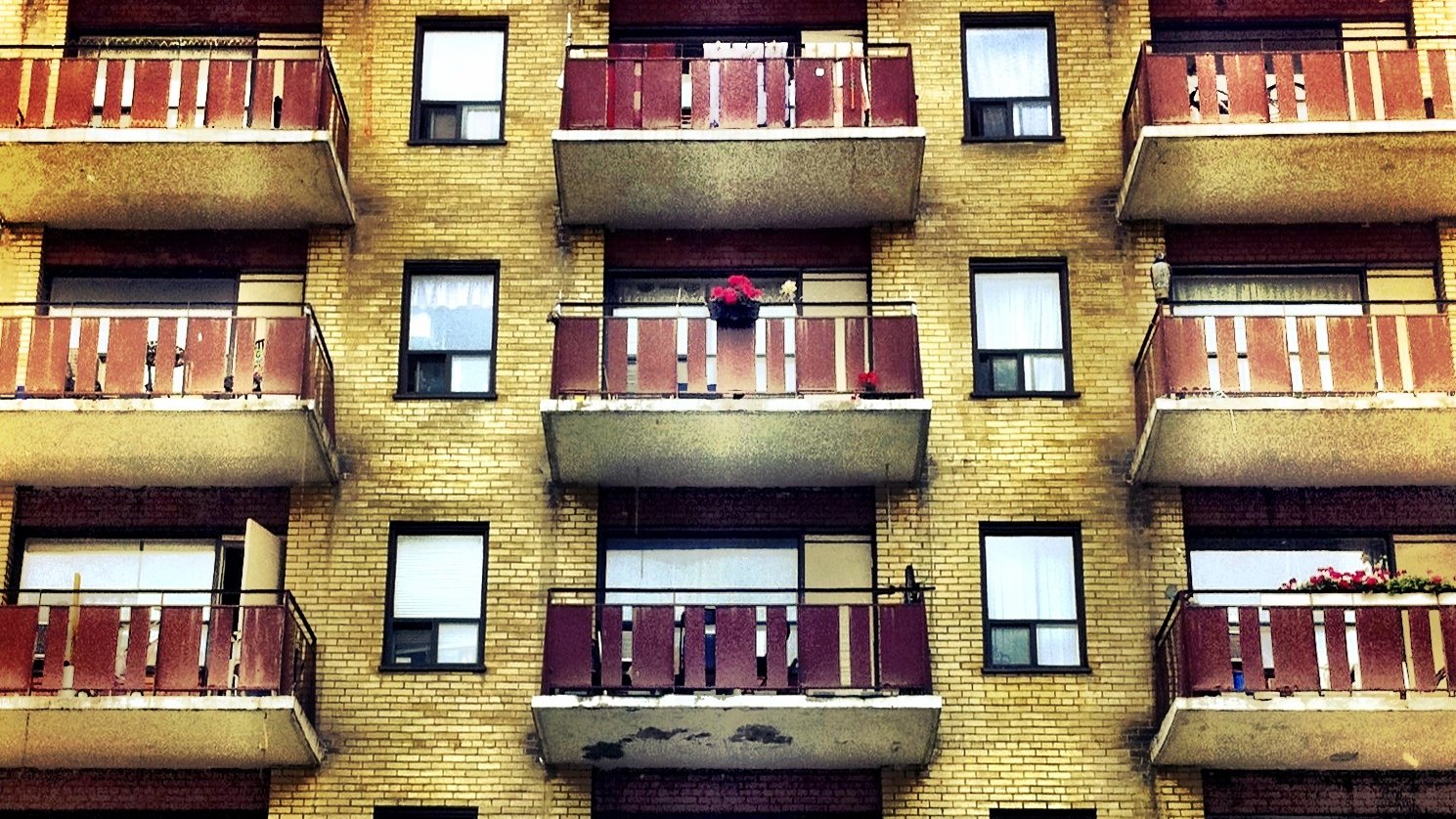

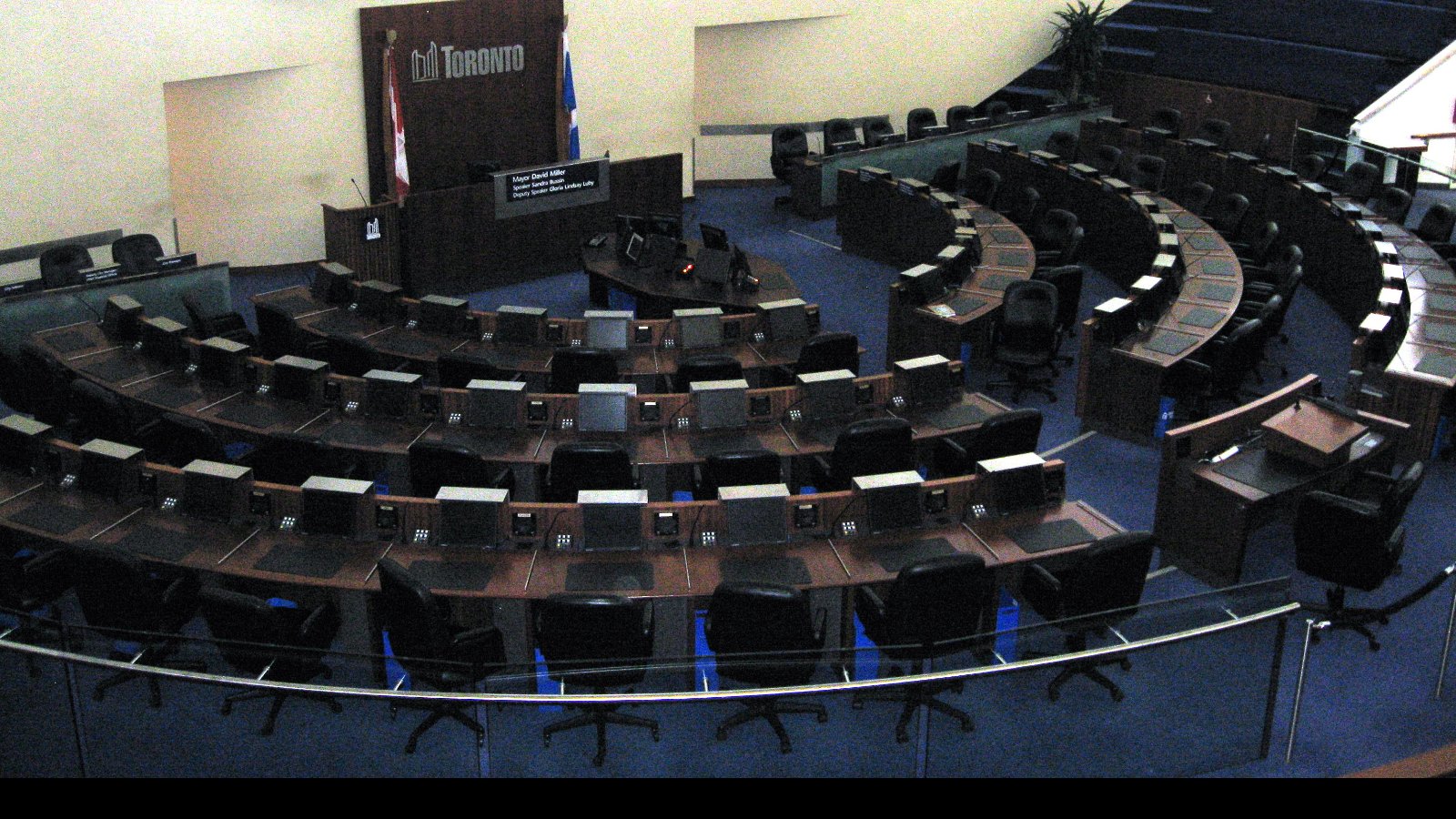
Toronto is governed by a council of 25 councillors, each elected in a ward, plus a mayor elected city-wide. Wards were cut from 47 to 25 by the province in 2018, which is why each councillor now represents roughly 110,000 people — one of the largest caseloads of any city councillor in North America.
Where decisions actually get made
Most items do not start at council. They start at a committee: Executive, Budget, Planning and Housing, Infrastructure and Environment, Economic and Community Development, and General Government. There are also four community councils — Toronto and East York, North York, Scarborough, and Etobicoke York — which handle local matters such as fence and tree bylaw appeals, parking rules and some development applications.
A committee hears the item, takes public deputations, and sends a recommendation to council. Council then debates and votes. Some community council decisions are final unless a councillor pulls them for a full council debate.
Strong-mayor powers
Since 2022 the province has given Toronto’s mayor “strong-mayor” powers: the ability to propose the budget, hire and fire senior staff, create committees and appoint their chairs, and advance certain provincial-priority items with the support of one-third of council. Council can override some of these decisions with a two-thirds vote.
How to intervene
- Speak at a committee. Any resident may register as a deputant, usually up to five minutes, and it must be done before the meeting starts.
- Write to the committee. Written submissions become part of the public record and are circulated to members.
- Contact your councillor’s office. Constituency staff handle far more casework than most residents expect.
- Track items yourself. The city’s agenda system lets you follow an item by number from committee through to the final council vote.
Why it matters
Property taxes, TTC service levels, zoning, shelter capacity, snow clearing and road tolls are all decided here. Provincial and federal politics dominate the headlines, but the level of government that sets your garbage day and your rent-controlled building’s permitted height is the one meeting at 100 Queen Street West.
This is a TDot News explainer. If a detail here has changed, tell us at [email protected].